
Building the Digital Foundation for Triumph Alliances

Back in January, we began collaborating with Triumph Alliances to shape their digital presence, and the momentum has carried forward steadily.
Their internal team had already invested deeply in brand thinking and visual direction. Our role was to translate that vision into a working, scalable website. What began as detailed design files became a pixel-perfect, block-powered WordPress build structured for flexibility, not just visual accuracy.
Each section was carefully rebuilt to preserve design intent while ensuring the site could evolve. It wasn’t about matching layouts; it was about creating a solid, future-ready foundation their team can confidently build on.
What started as a focused design-to-development engagement is now expanding into a broader digital collaboration. We’ll continue working together to strengthen their web presence and build out further digital solutions.
We’ve documented the full journey from translating design nuances to technical implementation in a detailed case study. Some partnerships start with a website. The good ones grow beyond it.
Teaching AI How We Build with Frappe
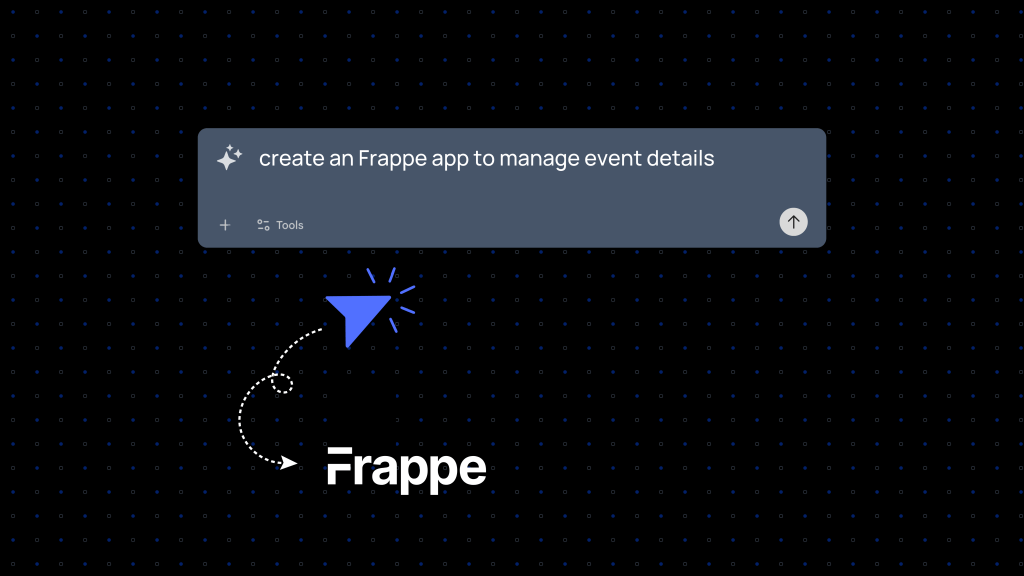
Behind the scenes, the team has been building digital solutions powered by Frappe and its growing ecosystem of apps.
Each business we work with brings unique workflows and operational nuances. That naturally leads to customization sometimes lightweight extensions, sometimes fully custom apps built around specific client needs (and occasionally tools we needed ourselves internally).
As our projects became more layered, AI became part of our everyday workflow. It helps us iterate faster, validate structure, and reduce repetitive effort. AI performs best when it understands the system it’s working within.
That insight led us to draft Frappe Skills. Instead of relying on prompts alone, we structured our real-world Frappe patterns, conventions, and workflows into a reusable knowledge layer for AI assistants. The goal was clarity and consistency in our approach to building.
What started as an internal tool is now public. You can read the full announcement. and explore the frappe skills. Sometimes the biggest improvements aren’t visible on the UI. They show up in how the team builds every single day.
Query Loop Support in Slider Block
We’ve also been quietly expanding BlablaBlocks, building components that solve repeat needs across our projects and our clients.
One of those needs was simple but recurring: turning content into dynamic sliders without rebuilding logic every single time. That led us to build the Slider Block. Initially, it allowed any block to be transformed into a carousel or slider, flexible, reusable, and easy to drop into different layouts.
But as projects evolved, so did our requirements.
Dynamic content in sliders is common. Teams want posts, case studies, testimonials, or custom post types to flow automatically into carousels. Instead of rebuilding custom query logic inside the block, we followed a core principle: use WordPress core wherever possible.
So we’ve been working on an update that adds support for Core Query Loop integration inside the Slider Block. Rather than replacing the query system, we simply connect to it letting WordPress handle the heavy lifting while the block focuses on presentation.
Right now, this feature is in internal testing, and we’re planning to release it soon once we’re confident everything works smoothly across different use cases.
The result is cleaner architecture, better compatibility, and more leverage of native functionality.
Sometimes building better means building less and trusting the core to do its job.
Getting Ready for WordPress 7.0
WordPress 7.0 is now in beta, with the final release expected around April 9, 2026. This cycle focuses on refining the editing experience, improving performance, and laying groundwork for deeper AI integration inside WordPress core.
One of the more interesting developments is the introduction of native AI infrastructure. Instead of relying entirely on third-party plugins, WordPress is beginning to build a standard way for AI tools to interact with the platform. This creates a more consistent foundation for content assistance and automation going forward.
There is also ongoing work around real-time collaboration features and continued improvements to the block editor and admin experience. While some of these features are still evolving, they signal a shift toward making WordPress more flexible and easier to manage for teams.
For us, this means testing early and understanding how these changes interact with our custom blocks, BlablaBlocks components, and client workflows. We are exploring how core-level AI support can simplify content operations, improve publishing speed, and reduce dependency on fragmented tooling.
WordPress 7.0 feels like a meaningful step in the platform’s direction, and we are preparing to leverage it thoughtfully across client projects.