
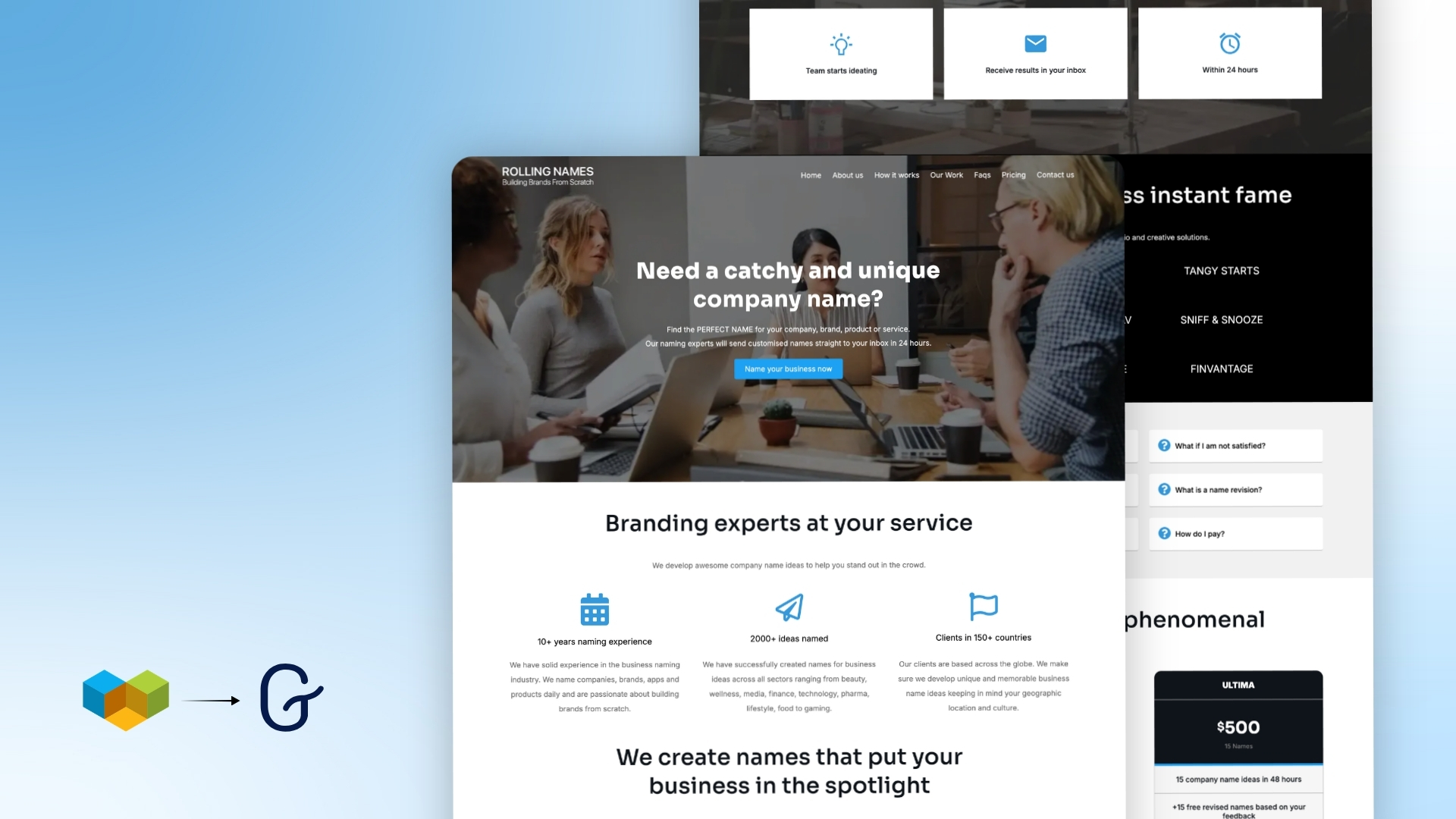
Rolling Names helps companies, brands, products, and services find names that stand out and communicate the right idea. Their WordPress website relied on Visual Composer and had become increasingly cumbersome to manage as the team created new landing pages and ran regular lead-generation campaigns.
We migrated the website to the native WordPress Block Editor and Full Site Editing, built a custom block theme, reduced plugin dependency by 35%, and preserved the visual direction the team already valued. The result was a cleaner publishing foundation that made campaign content easier to create, update, and evolve.
-35% less plugins
Reduction in plugin dependency
Native Block Editor
For pages, landing pages, and ongoing content updates
Block Theme
Built around WordPress core and Full Site Editing
Business Context
Rolling Names uses its website primarily to generate leads for its naming services. Campaigns and marketing initiatives regularly require new landing pages, messaging updates, and changes to existing content. That means the website needs to function as an active publishing and lead-generation platform rather than a static company presence.
The existing WordPress website had served the business well, but its Visual Composer-based setup was becoming less aligned with how the team wanted to work. The opportunity was to modernize the publishing experience without forcing a major visual redesign.
The Challenge: A Campaign Website That Was Becoming Harder to Update
Rolling Names frequently creates and updates landing pages to support campaigns and promote its services. Visual Composer added a builder-specific layer to that workflow. Content changes and layout updates had to be managed through its own row, column, and component system rather than directly through native WordPress tools.
Over time, additional plugins had also accumulated around the builder to support layouts and functionality. For a website that needed to respond quickly to marketing requirements, this created unnecessary friction.
The client was happy with the overall design and did not want to start over visually. The challenge was therefore to modernize the underlying website while keeping the familiar frontend largely intact.
The Solution: Rebuild Around Native WordPress
Rather than replacing Visual Composer with another third-party page builder, we proposed moving the website to the WordPress Block Editor and Full Site Editing.
Before committing to the migration, we introduced the Rolling Names team to the Block Editor and ran a small proof of concept so they could experience the new publishing workflow firsthand. Once the direction was approved, we planned the migration around three priorities:
- Preserve the existing visual identity
- Make campaign content easier to manage
- Reduce unnecessary technical dependencies
01.
A Custom Block Theme Built Around the Existing Design
We handcrafted a block theme specifically for Rolling Names. Instead of redesigning the site from scratch, we recreated the existing visual direction using native WordPress capabilities and made selective refinements where they improved usability or implementation.
This gave us greater control over templates, styles, and assets while allowing global elements of the website to be managed through Full Site Editing. The frontend remained familiar to the client, but the foundation underneath it changed significantly.
02.
A More Direct Landing Page Workflow
Existing Visual Composer layouts were recreated using WordPress blocks. This allowed the team to work directly with page content and structure inside the editor rather than navigating a separate builder abstraction.
Reusable layouts could be handled through blocks and patterns, giving the team more flexibility when creating campaign and service pages without introducing another proprietary editing layer. For Rolling Names, this was the most important shift: the website became easier to operate as an active marketing platform.
03.
Reducing Plugin Dependency
The previous website relied on Visual Composer and a collection of supporting plugins to deliver functionality that modern WordPress could increasingly handle natively.
By moving layout and presentation responsibilities into the Block Editor and custom theme, we reduced plugin dependency by 35%. A smaller stack meant fewer third-party components to maintain and a cleaner foundation for future development.
04.
Building a Purpose-Built Slider
One requirement that still needed dedicated functionality was the website’s slider. Instead of adding another large general-purpose plugin, we developed a lightweight slider block around Rolling Names’ requirements.
That work also contributed to our reusable BlaBlaBlocks Slider Block, turning a project-specific need into something we could continue improving and reusing elsewhere.
The Result
From Builder-Specific Editing to Native WordPress
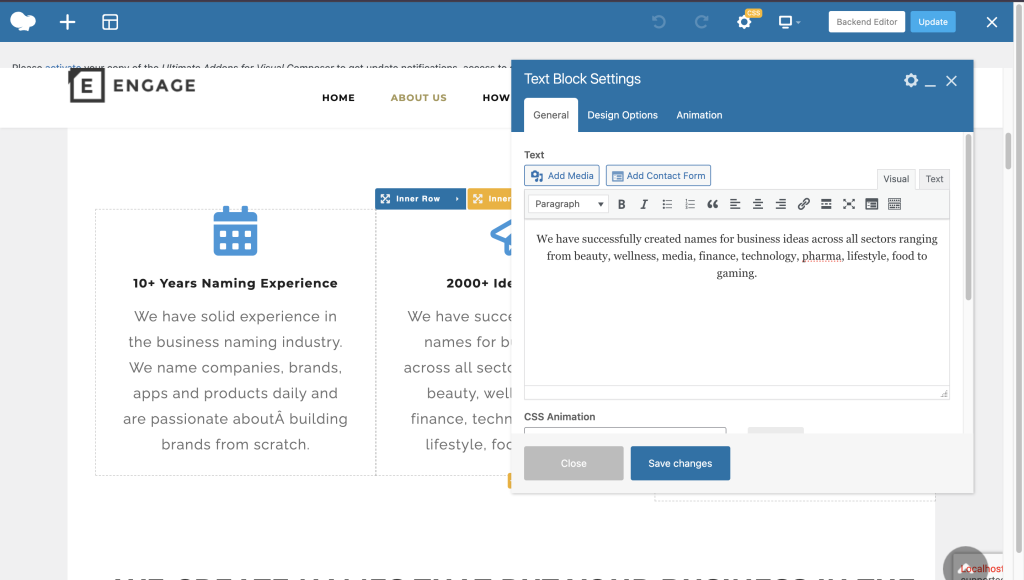
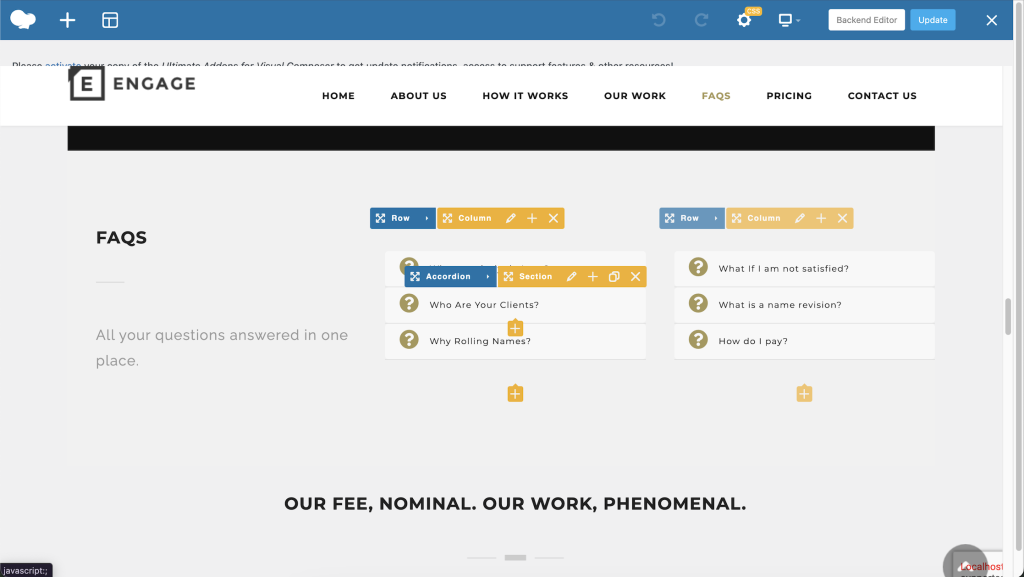
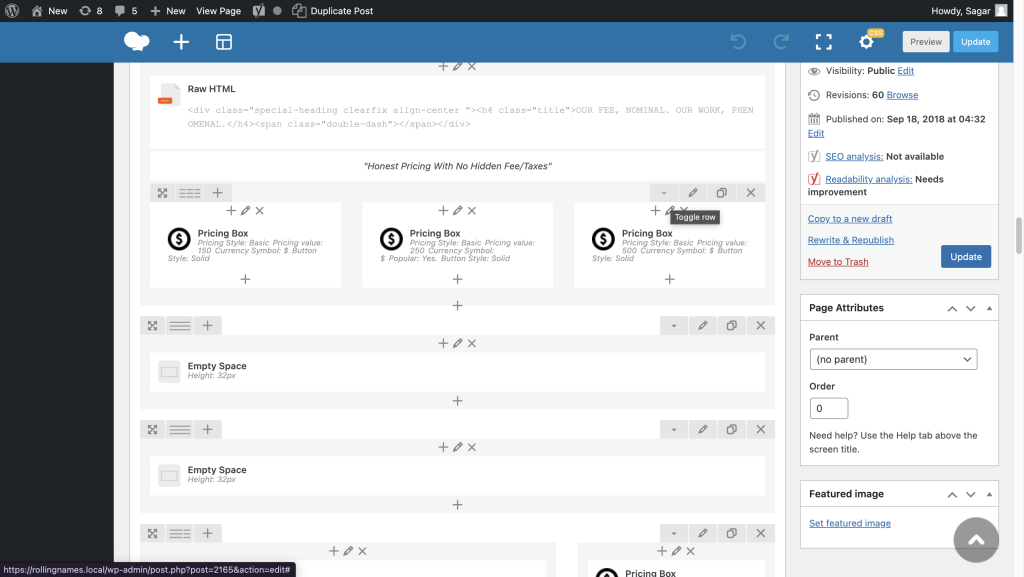
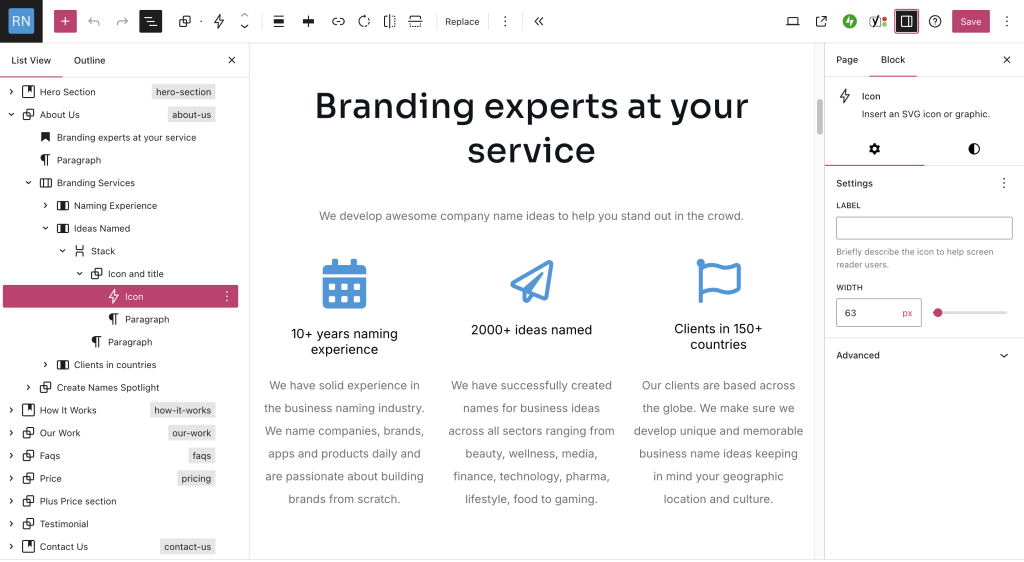
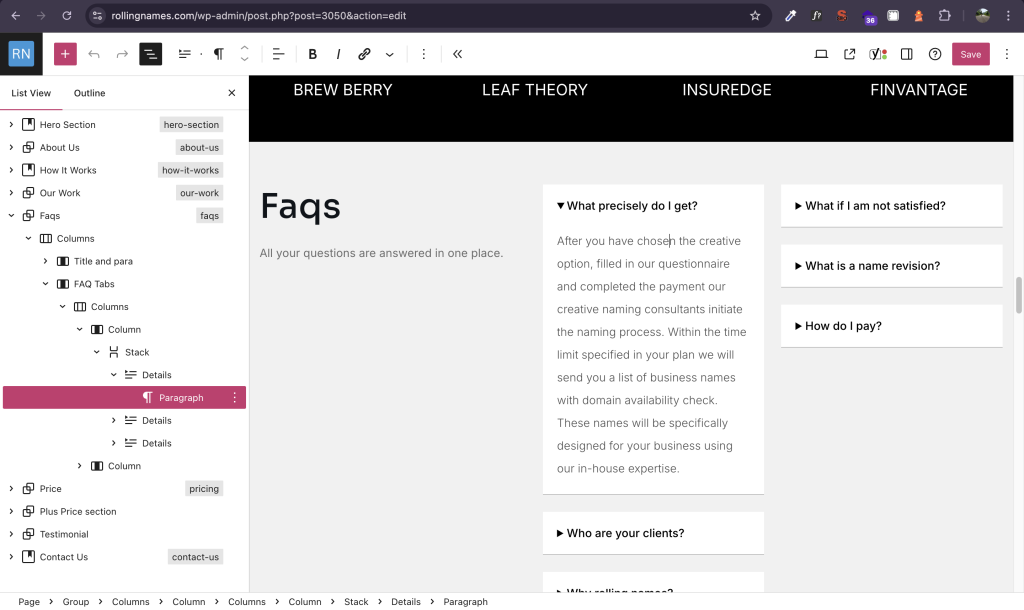
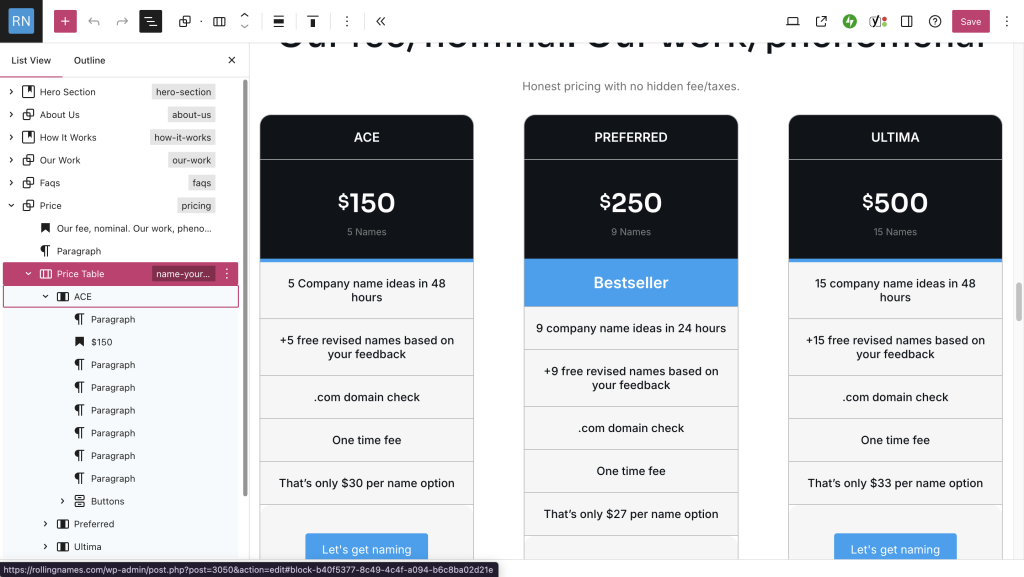
The most visible change for the Rolling Names team was the editing experience. Instead of working through Visual Composer’s abstract rows, columns, and configuration panels, editors could work directly with the page structure inside WordPress.
Visual Composer
Block Editor
A Leaner Technical Foundation
The migration also gave us more control over how the site was built and what it depended on. The custom block theme removed the need for a general-purpose page builder, while native blocks and custom functionality reduced reliance on supporting plugins.
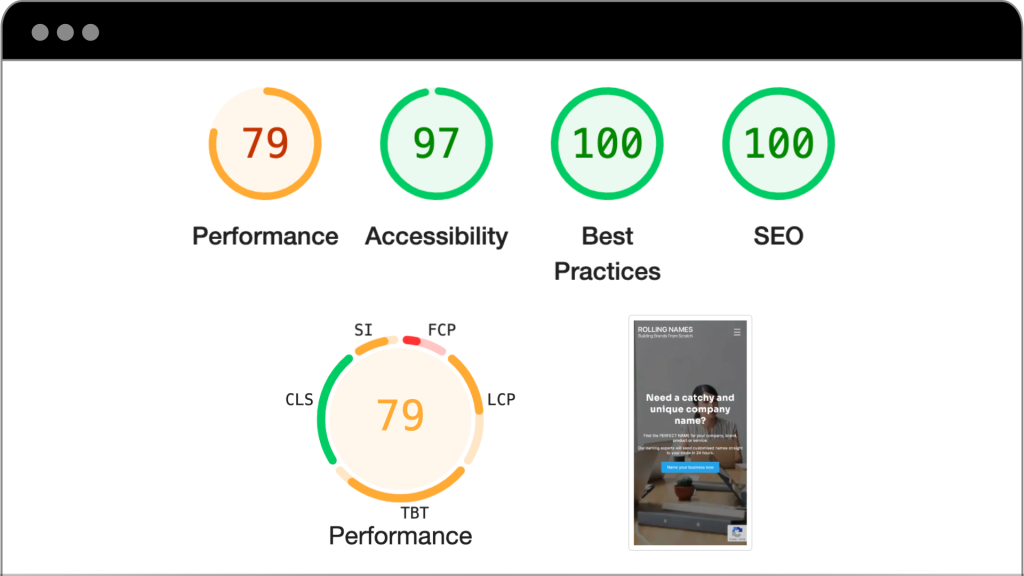
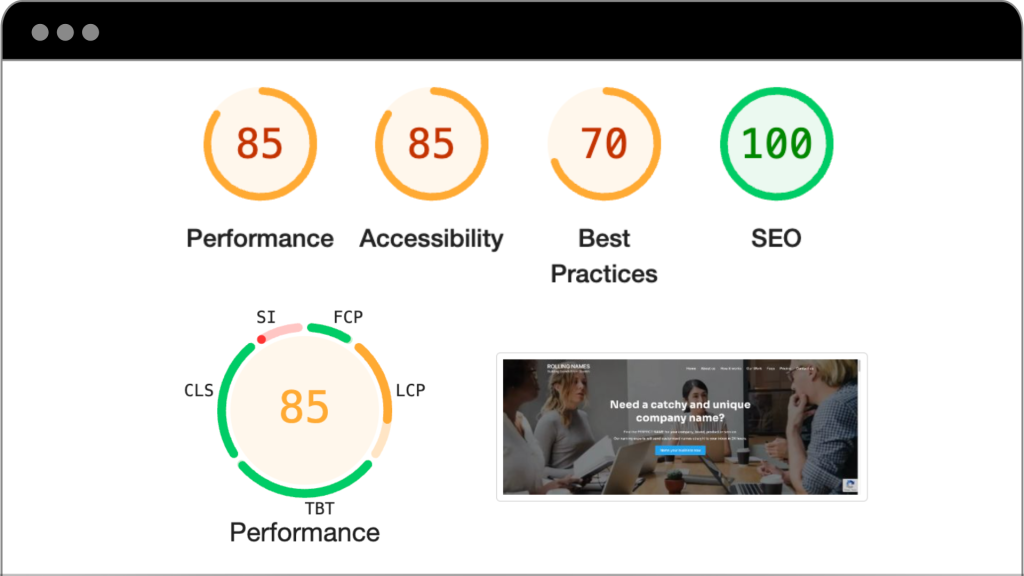
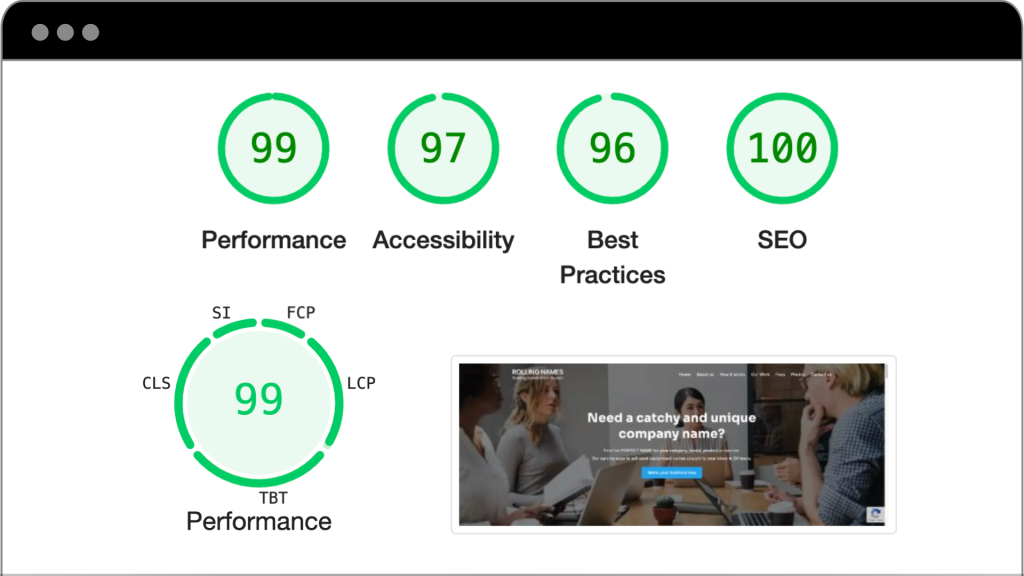
The rebuild also created an opportunity to clean up the existing implementation and simplify the site rather than reproducing every part of the previous setup unchanged. Performance improved as a result, but the more important outcome was greater control over the website’s architecture and future development.
Mobile
Visual Composer

Block Editor
Desktop
Visual Composer
Block Editor
Operational Impact
The migration changed how Rolling Names could work with its website day to day. The team now has a publishing setup better suited to frequent campaigns and landing-page updates, without depending on a third-party page builder for routine content work.
The existing design was preserved, avoiding unnecessary disruption, while the underlying architecture moved closer to WordPress core. The plugin stack is smaller, the theme is purpose-built, and future changes can be made without carrying Visual Composer forward as a permanent dependency. For a lead-generation website that needs to evolve alongside marketing activity, that flexibility is the real outcome.
What This Means for Marketing-Led WordPress Websites
A website can still look perfectly fine while the editing system behind it becomes a constraint. That becomes especially visible when marketing teams need to launch campaigns, build landing pages, and make frequent content changes.
Replacing one page builder with another may solve the immediate problem, but it can also preserve the same long-term dependency in a different form. For Rolling Names, moving to the native Block Editor created a simpler path. The company kept the design it was already comfortable with while gaining a cleaner, more flexible publishing system underneath it.
The Final Takeaway
The Rolling Names migration was not about redesigning the website for the sake of modernization. It was about making the existing website easier to operate as a marketing and lead-generation platform.
By moving from Visual Composer to the WordPress Block Editor, Full Site Editing, and a custom block theme, we preserved what was already working visually while removing unnecessary friction behind the scenes. The result was a more native WordPress experience, fewer dependencies, and a website better suited to the pace of ongoing campaigns and content updates.
Ready to unlock the full potential of the WordPress Block Editor and transform your publishing workflow Our team can guide you through a seamless migration to WordPress, tailored to your unique needs. Schedule a call with us today, and let’s explore how we can elevate your website together!